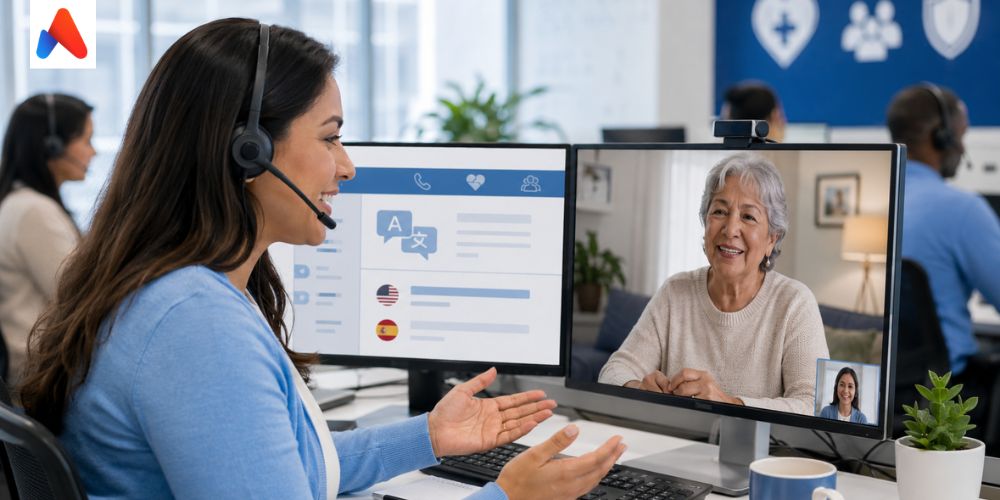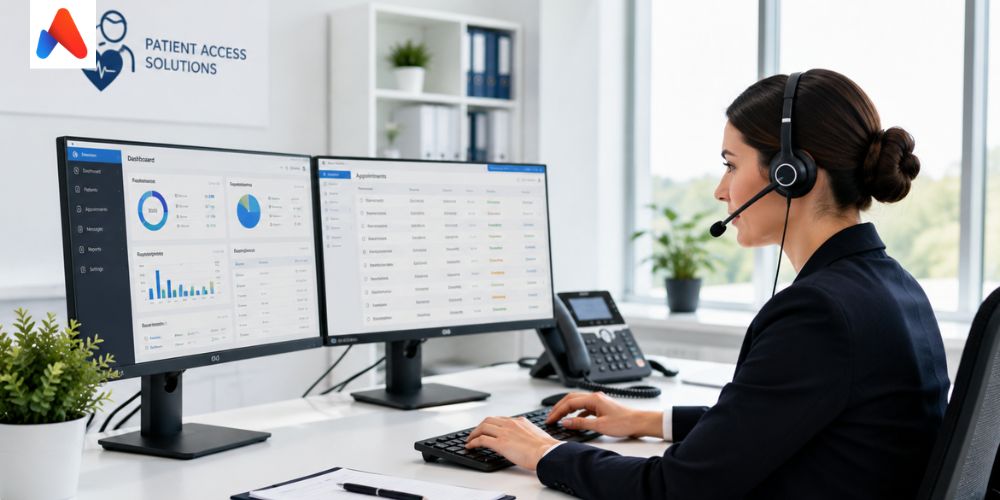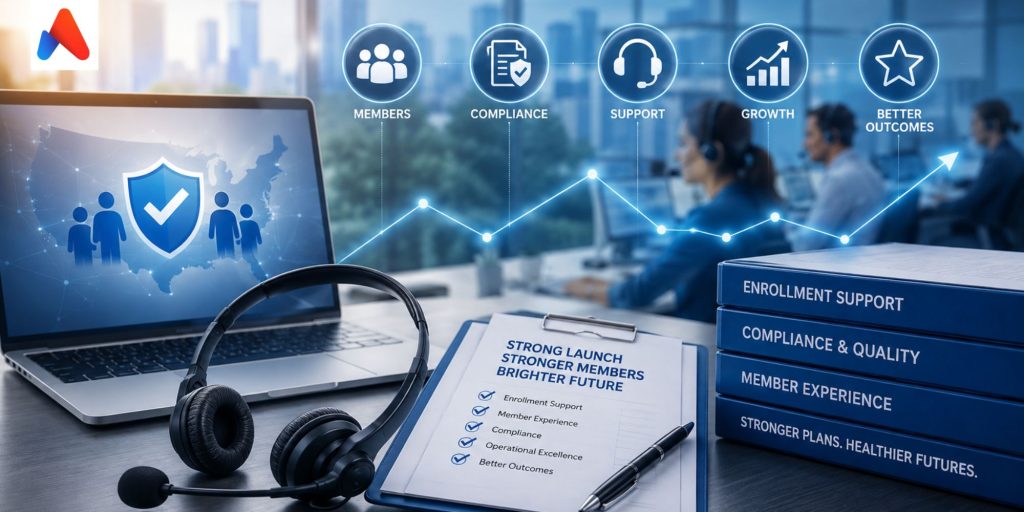





The specialty pharmacy onboarding model plays a critical role in whether a newly prescribed biologic patient initiates therapy or abandons it. There is a moment — brief, measurable, and largely underappreciated — that determines whether a newly prescribed biologic patient becomes an adherent, long-term therapy participant or a statistic in an abandonment report. That moment does not last 72 hours. For the most complex, highest-cost specialty therapies, it may be closer to 48. In some indications, less.
The logic is behavioral, not logistical. When a patient receives a diagnosis requiring high-cost specialty therapy, they are navigating one of the most emotionally intense moments of their healthcare experience. The prescription is written. The treatment is real. And in the hours immediately following, they are forming the impressions — about their condition, about the medication, about the care team and pharmacy supporting them — that will determine whether they engage fully with therapy initiation support or begin the gradual withdrawal that ends in abandonment.
For specialty pharmacies managing high-cost biologic portfolios, this is not an abstract patient engagement challenge. It is an operational, financial, and competitive one — and it demands a structured response.
“The patient who receives a comprehensive, empathetic onboarding call within 24 to 48 hours of prescription receipt is in a fundamentally different emotional and informational state than the patient who receives an automated welcome text on day three.”
— Specialty Pharmacy Behavioral Outcomes Research, 2024
Why the Specialty Pharmacy Onboarding Model Must Change
Not all specialty pharmacy abandonment follows the same pattern. For a patient prescribed a straightforward specialty oral medication for a condition they have managed for years, the abandonment risk is largely logistical — benefits investigation delays, cost surprises, administrative friction. These are real and addressable through process improvement.
For a patient newly prescribed a high-cost biologic — a first-line therapy for Crohn’s disease, a newly approved agent for a rare hematologic condition, an oncology immunotherapy — the abandonment risk carries an additional psychological dimension that fundamentally changes the nature of the initiation challenge.
The Compounding Abandonment Pathways
Each of the following factors represents a distinct abandonment pathway — and each is addressable, but only within the window:
Delay is the common enemy across all four pathways. Every hour that passes without structured, human-led outreach narrows the window in which these concerns can be addressed before they harden into a decision to delay or discontinue.
A structured specialty pharmacy onboarding model addresses these risks within the first 48 hours, before delay turns into abandonment.
The Concierge Onboarding Model: What It Means in Practice
The term “concierge onboarding” is used broadly in the specialty pharmacy onboarding literature, sometimes to refer to nothing more than a faster, automated welcome sequence. The operational reality of a genuine concierge model is significantly more demanding — and significantly more effective.
1. Speed of Initial Contact
Within 24 hours of receipt of the prescription — ideally the same business day — a trained onboarding specialist makes personal contact. Not an automated text. Not a mailed welcome packet. A call from a named individual who explains their role in the patient’s care journey and signals from the opening that this will be a guided, supported process rather than a series of administrative notices.
2. Depth of First-Call Engagement
The concierge specialist is equipped to complete benefits verification, screen for copay assistance eligibility, initiate prior authorization, address clinical questions within scope, and schedule injection training — all in the first contact. Every interaction that requires a callback or a departmental transfer is a friction point that increases the risk of abandonment. The concierge model eliminates those friction points through comprehensive first-contact capability.
First-Call Capability Comparison
| Task | Standard Model | Concierge Model |
|---|---|---|
| Benefits verification | Callback within 24–48 hrs | First call |
3. Continuity Through First Fill
The same specialist who conducted the onboarding call remains the patient’s named contact through first fill and, where possible, through the early weeks of therapy. This continuity builds the trust that makes a patient more likely to raise concerns about side effects, cost, or administration difficulties — rather than quietly disengaging.
The Business Case: Revenue, Retention, and Manufacturer Relationships
The financial argument for investing in concierge pharmacy patient-access infrastructure rests on a straightforward calculation — and the numbers are significant enough to warrant serious operational attention.
Revenue Impact Model — 200 New Biologic Patients / Month
The Manufacturer Partnership Dimension
Beyond the direct revenue impact, there is a second financial lever that specialty pharmacies operating concierge models are increasingly capitalizing on. Pharmaceutical manufacturers managing hub programs use initiation rates as a primary performance metric for their specialty pharmacy partners.
Why Most Internal Models Cannot Deliver This at Scale
The honest challenge for specialty pharmacies considering whether to build or partner for concierge onboarding capability is this: the model is operationally demanding in ways that internal teams, built for steady-state volume, are rarely equipped to sustain.
Staffing and Training Depth
Concierge onboarding requires specialists trained across benefits investigation, copay assistance programs, prior authorization pathways, and basic clinical support for specific therapy categories.
How Ameridial Delivers Concierge Onboarding at Scale
Ameridial builds its specialty pharmacy onboarding model around the operational demands of the 48-hour window: rapid first contact, comprehensive first-call resolution, and consistent specialist continuity through first fill. These are not aspirational service standards—they are measurable outcomes the program is designed and staffed to deliver.
Agent Assist AI: Precision Guidance at the Point of Contact
At the center of Ameridial’s operational infrastructure is Agent Assist AI, a real-time specialist assistance platform that delivers structured guidance, knowledge retrieval, and compliance prompts during live patient interactions.