




Healthcare organizations face growing pressure to reduce physician burnout, improve documentation accuracy, and maintain compliance — all while delivering high-quality patient care. As documentation demands increase, many practices are turning to medical scribing services outsourcing as a sustainable solution.
However, choosing the right model — live, virtual, or AI-assisted — requires understanding how each impacts workflow, physician satisfaction, scalability, and cost. There is no universal “best” model. The optimal choice depends on your clinical environment, patient volume, specialty mix, and long-term goals.
Understanding the Three Core Medical Scribing Models
1. Live Medical Scribing: Embedded, Real-Time Support
Trained scribes work physically alongside physicians in the exam room or hospital setting, documenting in real time during patient encounters.
- Strongest real-time collaboration
- Immediate clarification during complex cases
- Higher integration with high-touch workflows
2. Virtual Medical Scribing Solutions: Scalable & Flexible
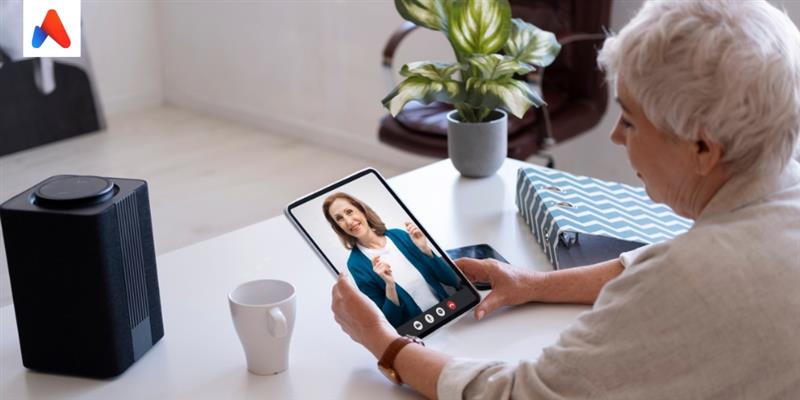
Remote scribes join encounters via secure audio/video feeds and document directly in the EHR from off-site locations.
- Rapid scalability across locations
- Lower infrastructure requirements
- Excellent for multi-site, telehealth, and distributed practices
3. AI-Assisted Medical Scribing: Technology-Augmented Efficiency
AI-assisted scribing uses speech recognition and natural language processing to capture conversations, which are then reviewed and finalized by human scribes or clinicians.
- High efficiency for structured encounters
- Strong data standardization
- Requires human oversight for accuracy and nuance
Comparative Analysis: Live vs Virtual vs AI-Assisted Scribing
| Criteria | Live Scribing | Virtual Scribing | AI-Assisted Scribing |
|---|---|---|---|
| Real-Time Accuracy | High | High | Moderate–High |
| Scalability | Limited | High | Very High |
| Implementation Speed | Moderate | Fast | Moderate |
| Cost Efficiency | Moderate | High | Variable / High |
| Workflow Disruption | Low | Very Low | Moderate |
Aligning the Right Model with Your Practice Needs
High-Volume & High-Acuity Settings
Emergency departments, surgical practices, and busy outpatient clinics often benefit most from live scribing or hybrid models where real-time presence adds the greatest value.
Multi-Site, Telehealth & Distributed Networks
Virtual medical scribing solutions excel here, offering consistency, scalability, and minimal infrastructure requirements.
Technology-Forward & Standardization-Focused Practices
AI-assisted models shine when the goal is structured data capture, analytics, and reducing variability across providers. Whichever model fits, the documentation it produces flows straight into the wider healthcare provider operation, where note quality shapes coding accuracy, billing integrity, and audit readiness.
Technology Infrastructure Requirements
Regardless of model, success depends on robust, secure technology:
- HIPAA-compliant platforms with end-to-end encryption
- Seamless EHR integration
- Performance analytics and quality dashboards
- Real-time collaboration tools (for virtual/live models)
The Power of a Hybrid Scribing Strategy
Many leading practices now use blended models — live for high-complexity encounters, virtual for routine outpatient volume, and AI for structured documentation and analytics.
Live Scribing
ED, Surgery, Complex Care
Virtual Scribing
Multi-site & Telehealth
AI-Assisted
Data Capture & Analytics
Beyond Documentation: The Strategic Value of Scribing
Effective medical scribing does more than reduce EHR burden — it improves physician satisfaction, enhances patient experience, increases throughput, and supports better clinical documentation for billing and compliance.
“The right scribing model doesn’t just save time — it reshapes how care is delivered and how physicians experience their workday.”
Next Steps: Choosing and Implementing the Right Model
There is no one-size-fits-all solution. The best approach often involves a hybrid strategy tailored to your practice’s unique needs, specialties, and growth plans.
Through medical scribe outsourcing services, organizations can access flexible, scalable models — live, virtual, AI-assisted, or hybrid — without the heavy lifting of building internal programs.
Schedule a consultation with Ameridial to evaluate which medical scribing model (or combination) best aligns with your clinical workflows, operational goals, and long-term vision for provider efficiency and satisfaction.