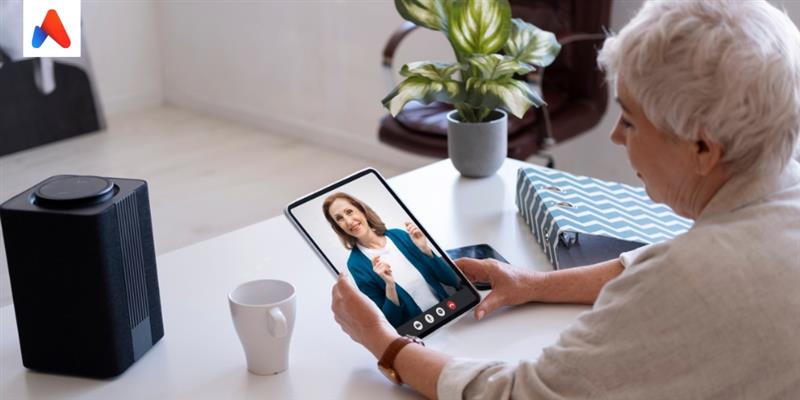





There is a defining moment in every MedTech customer journey — often quiet, yet commercially significant. A clinician or biomedical engineer reaches out for technical assistance after purchasing a device. The issue may not be a failure; it could be integration friction, usability questions, or configuration challenges. How that interaction is handled determines far more than resolution speed.
In an increasingly competitive landscape where device capabilities are converging, technical support has become a powerful brand differentiator. It directly influences retention, future purchasing decisions, and long-term customer lifetime value.
The Shift in MedTech Buying Behavior
From Product Features to Total Ownership Experience
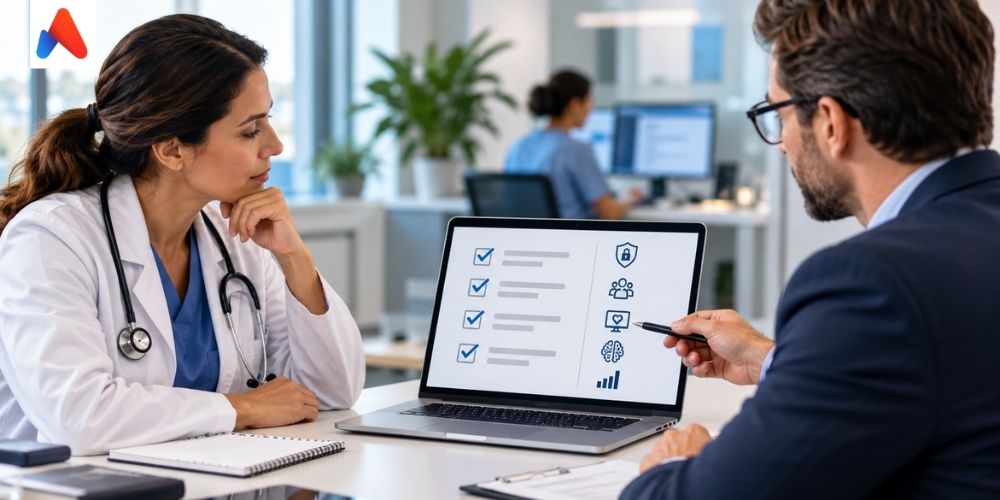
Over the past decade, many MedTech categories — infusion systems, diagnostic platforms, patient monitoring, and DME — have reached functional parity. Procurement decisions now extend well beyond technical specifications to evaluate the full ownership experience, including implementation, training, ongoing support, and responsiveness.
Clinical, IT, and biomedical stakeholders increasingly ask: “How easy will this be to manage after the sale?”
The Hidden Cost of Weak Technical Support
| Metric | Weak Support Model | Strong Technical Support Model |
|---|---|---|
| First-Call Resolution Rate | Low (often <60%) | High (>85%) |
| Average Resolution Time | Extended | Significantly Reduced |
| Customer Retention Rate | Declining | Stable to Increasing |
| Net Promoter Score Influence | Minimal / Negative | Strong Positive Driver |
| Referral & Advocacy | Limited | High (Reference Customers) |
“In MedTech, customers don’t just buy the device — they buy the confidence that it will work reliably with expert support behind it.”
— Chief Technology Officer, Regional Hospital Network
What High-Performance Technical Support Actually Requires
Beyond 24/7 Availability: Depth and Consistency
Availability alone is no longer enough. Modern technical support demands:
- Specialized Product Expertise — Agents who understand device architecture, clinical workflows, and integration challenges
- Global Consistency — Uniform quality across time zones and regions
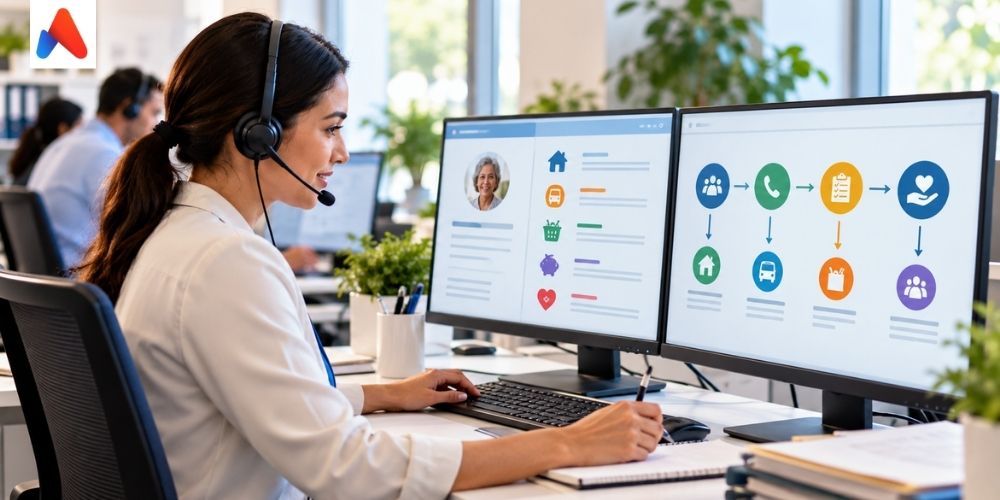
- Integrated Systems — Seamless connection to field service, remote diagnostics, and quality teams
- Actionable Data Capture — Every interaction feeding insights back into R&D and product improvement
The Strategic Case for Outsourced Medical Device Technical Support
Building and sustaining world-class internal support infrastructure is capital-intensive and operationally complex — especially for organizations scaling rapidly or managing diverse product portfolios.
A specialized partner delivering medical device technical support services provides immediate access to pre-trained specialists, scalable capacity, proven processes, and integrated technology — without diverting focus from core R&D and commercialization priorities.
Aligning Support with Modern Customer Experience Expectations
Today’s MedTech buyers expect speed, accuracy, and continuity. A fragmented or slow support experience creates friction that directly damages brand perception and loyalty. Outsourced models purpose-built for MedTech ensure every interaction reinforces trust and strengthens the overall MedTech customer experience.
Measuring the Real Impact: From Support Quality to Revenue Outcomes
- Higher Retention & Renewal Rates — Satisfied customers stay longer and expand usage
- Stronger Net Promoter Influence — Positive support experiences drive recommendations
- Reference Customer Advantage — High-quality support creates advocates who influence enterprise deals
“Support experience is often the deciding factor between a satisfied customer and a long-term advocate.”
Technology as the Enabler of Scalable, Differentiated Support
Modern technical support leverages intelligent platforms for real-time guidance, knowledge retrieval, predictive issue detection, and seamless case management. The optimal model balances automation for efficiency with human expertise for complex problem-solving.
Avoiding the Commoditization Trap
As device features converge, the support experience becomes one of the hardest elements for competitors to replicate. Organizations that invest in superior technical support create a sustainable competitive moat built on trust, reliability, and customer success. For manufacturers weighing build-versus-partner, a specialized MedTech support partner turns that moat into an operational reality without diverting engineering and commercial teams from the next product.
The Other Half of the Sale
The device initiates the relationship. Exceptional technical support defines its longevity and value.
MedTech leaders who recognize this dynamic and build (or partner for) scalable, high-quality support models gain a powerful advantage in retention, advocacy, and long-term growth.
If your current support infrastructure struggles to deliver consistent depth, scalability, and technical excellence, it may be time to reassess your approach.
Explore how specialized medical device technical support services can transform your customer experience and strengthen your competitive position.