

Gen Z is becoming a larger part of the healthcare consumer population, and its communication expectations are changing how patients interact with providers, health plans, and healthcare organizations.
The common assumption is that Gen Z simply does not like phone calls. The reality is more nuanced. Younger patients often prefer digital communication for routine interactions, but that does not mean they want human support to disappear. They want convenient options, quick responses, and the ability to choose the channel that fits the situation.
This shift makes healthcare communication more than a technology issue. It is becoming a patient experience issue. Organizations that connect phone, SMS, portals, chat, scheduling, and other support channels can create a more flexible patient journey without removing the human connection.
The question is no longer whether healthcare organizations should offer digital communication. It is how effectively they can combine digital convenience with reliable human support.
How Gen Z Is Changing Healthcare Communication
Gen Z is often described as the first digital-native generation. Healthcare research supports the idea that technology plays an important role in how many younger consumers manage their health.
PwC’s 2025 US Healthcare Consumer Insights Survey found that 79% of Gen Z respondents use health technology monthly, including wearables, telehealth, and online prescription services. The research also shows that younger generations are more likely to seek care through virtual and nontraditional settings.
That matters because digital habits can influence expectations around convenience. A patient who manages banking, shopping, travel, and other services through a smartphone may expect similar flexibility from healthcare.
That does not mean every healthcare interaction needs an app. Instead, patients should have practical ways to schedule appointments, receive reminders, ask appropriate questions, check request status, and reach human support when necessary.
Do Gen Z Patients Really Dislike Phone Calls?
The idea that Gen Z simply dislikes phone calls is too broad, particularly when applied to healthcare.
Twilio’s healthcare communication research shows that 58% of Gen Z consumers rank text messaging among their top three healthcare communication channels. However, 48% also rank phone calls among their top three choices, while 67% include email.
Those numbers tell a more useful story.
Gen Z may value digital communication, but voice remains relevant when the situation requires conversation, clarification, reassurance, or human assistance. Healthcare is also different from many other industries because the subject matter can be personal, confusing, urgent, or emotionally difficult.
A patient may prefer a text for an appointment reminder but want a person on the phone when an insurance question becomes complicated. Another patient may use a portal to request an appointment but prefer to speak with a scheduler when multiple care needs must be coordinated.
The goal should be communication flexibility, not elimination of voice.
Which Healthcare Communication Channels Do Gen Z Patients Prefer?
There is no single communication channel that works for every healthcare interaction. Preferences depend on the patient’s needs, the sensitivity of the information, and the complexity of the request.
Digital channels can work well for routine interactions. These may include appointment reminders, scheduling requests, general administrative questions, status updates, and other appropriate notifications.
Phone support remains important for situations requiring explanation or judgment. Patients may need help understanding coverage, coordinating appointments, resolving a problem, or navigating a more complicated healthcare process.
This makes an omnichannel healthcare communication strategy more useful than a phone-first or digital-only model. The objective is to match the channel to the interaction while making it easy for patients to move to human support when needed.
Why Digital Convenience Matters to the Patient Experience
Communication friction can appear in small moments throughout the patient journey.
A patient may need to call during work hours to schedule an appointment. Another may wait on hold to ask a simple administrative question. Someone else may receive an appointment reminder but have no convenient way to respond.
Each interaction creates an opportunity to either simplify the patient experience or introduce another barrier.
An effective digital communication strategy can reduce unnecessary friction by offering options such as online scheduling, patient portals, secure messaging, text-based notifications, email, and live chat where appropriate.
The important point is that these channels should not operate as isolated systems.
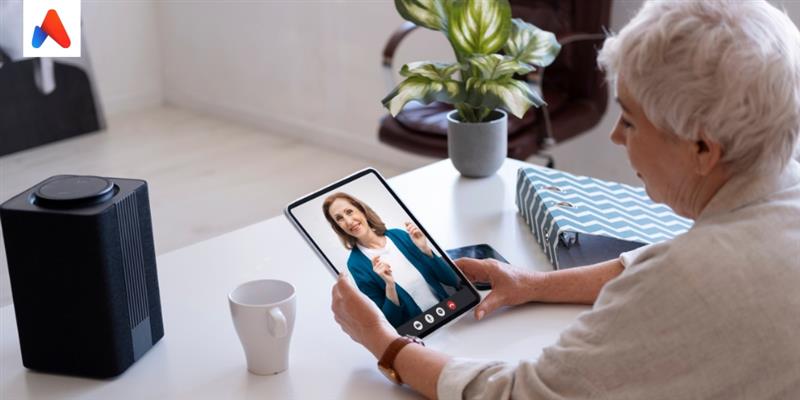
For example, a patient could receive an appointment notification digitally, respond through an approved communication channel, and then connect with a representative if the request requires additional assistance.
That creates a communication journey rather than a collection of disconnected channels.
Digital First Does Not Mean Human Free
One of the biggest mistakes healthcare organizations can make is assuming digital communication should replace human interaction.
The stronger model uses technology for interactions that benefit from speed and convenience while preserving human support for situations requiring judgment, explanation, empathy, or escalation.
Digital channels can support routine appointment requests, reminders, status updates, and basic administrative interactions. Trained representatives can then focus on situations where human assistance adds greater value.
This approach can also make healthcare contact centers more effective.
When appropriate routine interactions move to digital channels, representatives can spend more time handling complex questions and patient concerns. Patients still receive human assistance, but the interaction is more intentional.
The result is not less human healthcare. It is a better division between self-service convenience and human support.
Match the Communication Channel to the Patient Need
Healthcare organizations should not choose communication channels based only on generational preferences. They should consider what the patient is trying to accomplish.
| Patient Need | Appropriate Starting Channel | Human Support |
|---|---|---|
| Appointment reminder | SMS or portal | Low |
| Appointment request | Online scheduling | Medium |
| Basic administrative question | Chat or messaging | Low |
| Benefits or coverage question | Phone or chat | High |
| Complex care coordination | Phone | Very high |
| Sensitive patient concern | Secure human support | Very high |
This approach recognizes an important reality: the complexity of the interaction should influence the communication channel.
A simple reminder does not require the same workflow as a complicated patient concern. Giving patients multiple options allows healthcare organizations to support both convenience and personalized assistance.
Protecting Privacy Across Digital Healthcare Communication
More communication channels also create more responsibility.
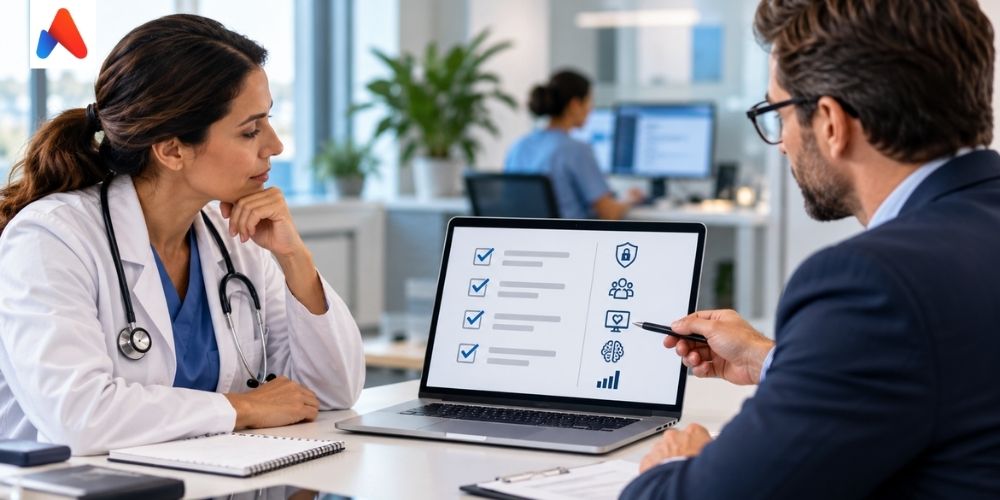
Healthcare organizations cannot assume that because patients prefer texting or messaging, every platform is automatically appropriate for protected health information.
The U.S. Department of Health and Human Services recognizes remote communication technologies such as telephone, messaging technologies, patient portals, mobile applications, and email as tools used in healthcare. However, organizations must consider applicable privacy and security requirements when communicating health information.
HHS guidance also encourages secure communication practices and highlights the importance of protecting patient information when remote technologies are used.
That means healthcare organizations should evaluate technology, workflows, access controls, data handling, vendor relationships, and the type of information being communicated.
A standard text message and a secure healthcare messaging workflow should not automatically be treated as the same thing.
5 Ways Healthcare Organizations Can Improve Gen Z Patient Communication
1. Offer multiple communication channels
Give patients practical alternatives to traditional phone calls. Digital scheduling, secure messaging, email, text notifications, and live support can each serve different purposes.
2. Make routine interactions easier
Use digital channels for appropriate reminders, scheduling requests, confirmations, and status updates. Reducing unnecessary phone interactions can improve convenience for both patients and staff.
3. Keep human support available
Digital access should not become a barrier when patients need assistance. Complex questions, sensitive concerns, and situations requiring judgment should have a clear path to trained representatives.
4. Connect the communication journey
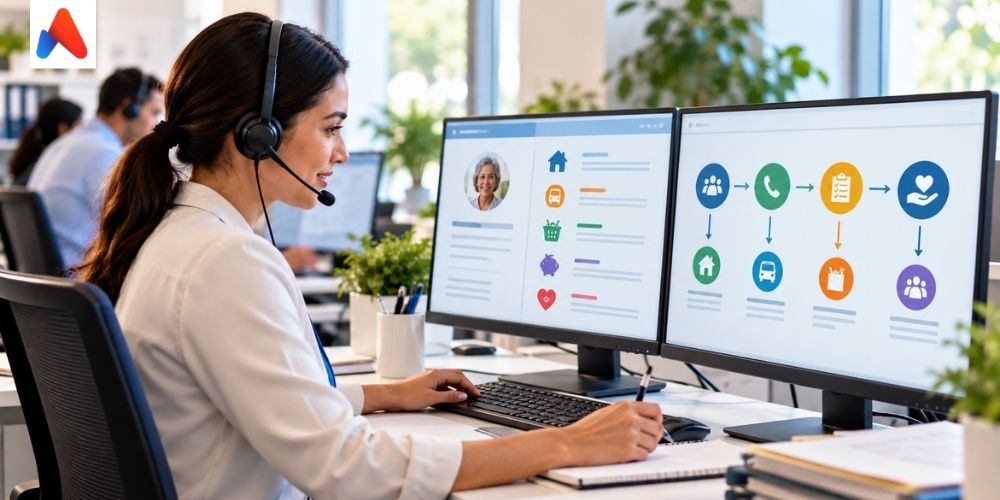
Patients should not have to repeat their situation every time they move from a digital channel to a phone conversation. Connected workflows can create a smoother transition between self-service and human support.
5. Measure communication performance
Healthcare organizations should monitor metrics such as response time, abandonment, resolution rate, patient satisfaction, channel usage, and escalation patterns. These insights can show which channels are working and where patients continue to experience friction.
Why Omnichannel Healthcare Communication Matters for Gen Z Patients
Gen Z is not necessarily asking healthcare organizations to eliminate phone calls. It is helping accelerate a broader change in patient expectations.
Patients increasingly want healthcare communication to be convenient, responsive, accessible, and suited to the situation.
For some interactions, that may mean a text or portal notification. For others, it may mean email or live chat. When an issue becomes complex or personal, a phone conversation with a knowledgeable representative may still be exactly what the patient needs.
This is why healthcare organizations should think beyond a digital-first or phone-first strategy.
A patient-first communication strategy starts with the interaction itself. What does the patient need? How sensitive is the information? Does the request require human judgment? Does the patient need an immediate response or simply an update? Which channel can address the need securely and efficiently?
These questions create a stronger foundation for patient engagement than assuming an entire generation communicates in one way.
An Operational Perspective on Gen Z Patient Communication
The biggest lesson for healthcare organizations is not that younger patients prefer technology. It is that patients increasingly expect healthcare to be as convenient and responsive as other services they use every day.
However, convenience cannot come at the expense of accessibility, privacy, or human assistance.
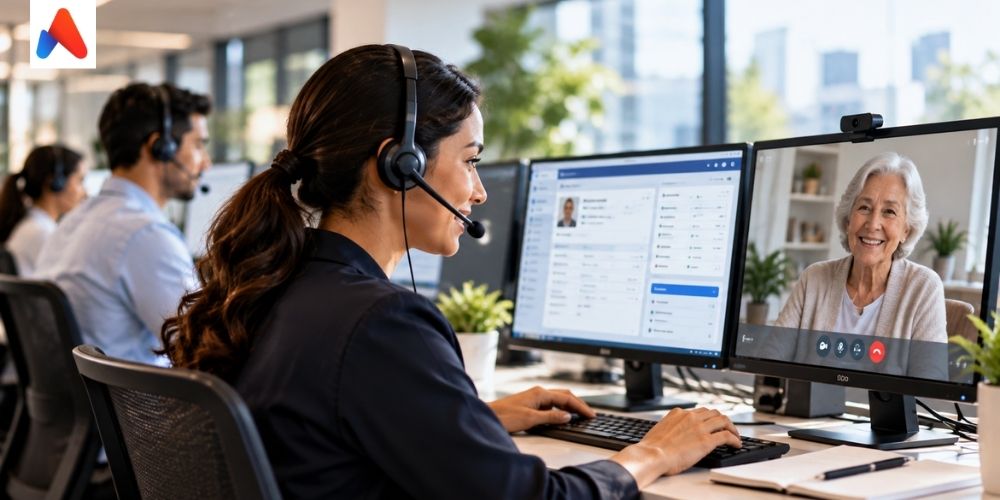
A well-designed communication strategy therefore needs both technology and people. Digital channels can simplify routine interactions, while trained healthcare contact center teams can handle questions that require context, empathy, and problem solving.
This balance is especially important for organizations managing high volumes of patient inquiries, appointment requests, reminders, and engagement activities.
Healthcare organizations can strengthen this model through dedicated patient engagement services, medical appointment scheduling, and patient-facing contact center support.
The Future of Gen Z Patient Engagement
The future of healthcare communication will not be completely digital or completely voice-based. It will be increasingly omnichannel, giving patients convenient ways to connect while preserving access to knowledgeable human support.
Gen Z is helping accelerate this change, but the underlying expectation extends beyond one generation. Patients increasingly want healthcare organizations to communicate in ways that respect their time, preferences, privacy, and individual needs.
The organizations that respond effectively will not simply add more communication channels. They will connect those channels around the patient journey.
That means making routine interactions easier, keeping human assistance accessible, protecting sensitive information, and using performance data to continuously improve the experience.
The real opportunity is not to replace phone calls.
It is to make every patient interaction easier to navigate.
Frequently Asked Questions
Do Gen Z patients dislike phone calls?
Not necessarily. Research shows that Gen Z values digital communication, but phone calls remain an important healthcare communication channel. The better strategy is to provide options based on the patient’s needs and the complexity of the interaction.
What communication channels do Gen Z patients prefer?
Gen Z patients commonly value digital options such as text messaging, email, patient portals, and virtual healthcare services. However, preferences vary by situation, and phone support remains important for complex or sensitive interactions.
Should healthcare organizations replace phone support with digital communication?
No. Digital communication can reduce friction for routine interactions, but trained human support remains important for complex questions, patient concerns, and situations requiring judgment or empathy.
What is omnichannel healthcare communication?
Omnichannel healthcare communication connects multiple communication channels so patients can move between digital and voice interactions more easily. The goal is to create a consistent patient journey rather than separate, disconnected conversations.
How can healthcare contact centers support Gen Z patients?
Healthcare contact centers can support Gen Z by combining digital-first workflows with accessible human assistance. This can include appointment scheduling, patient inquiries, reminders, status updates, escalation support, and other patient engagement activities.
Ready to Build a More Flexible Patient Communication Strategy?
Gen Z is changing how patients expect to access healthcare, but the answer is not simply replacing phone calls with digital channels. Healthcare organizations need communication strategies that combine convenience, accessibility, privacy, and human support.
If your organization is evaluating how to improve patient communication, engagement, and contact center workflows, book a free consultation with Ameridial’s healthcare specialists. Discuss your current communication challenges and explore practical ways to create a more connected patient experience.