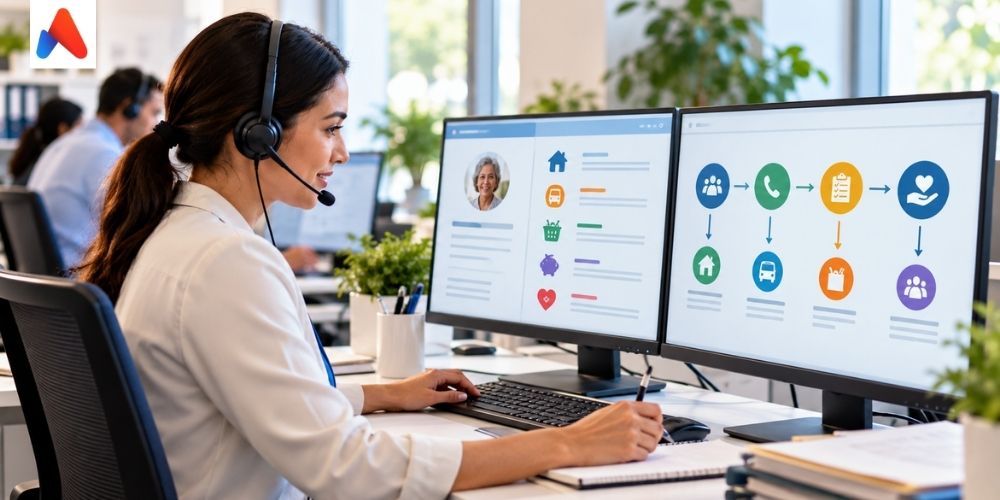




Behavioral health providers face a difficult contradiction today. Demand for care keeps rising, yet patient access keeps slowing down. Many organizations expanded clinical teams during the past five years. However, scheduling delays, intake backlogs, and insurance confusion still frustrate patients before treatment even begins. That operational gap explains why more organizations now invest in behavioral health outsourcing strategies designed specifically for intake, scheduling, and patient communication.
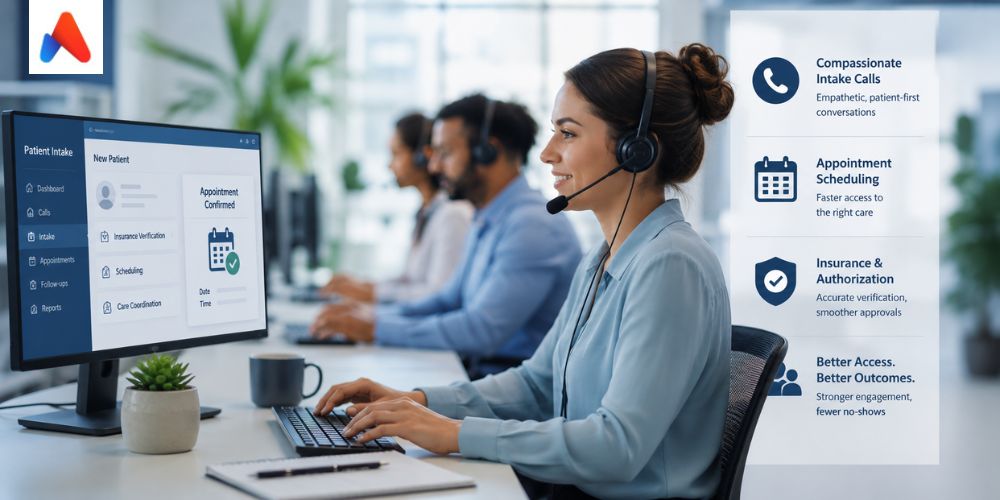
The shift goes beyond cost reduction. Behavioral health leaders now view the intake process as a clinical access issue instead of a simple administrative task. Patients seeking therapy, addiction support, or psychiatric care often reach out during emotionally vulnerable moments. A missed call or delayed response can stop treatment before it starts. Consequently, healthcare organizations increasingly rely on a specialized behavioral health intake call center model to improve response times and stabilize patient engagement.
Forward-looking organizations also recognize how operational consistency shapes long-term outcomes. Many providers now combine internal clinical operations with external behavioral health group BPO support to improve access, reduce staff burnout, and strengthen scheduling workflows. At the same time, healthcare systems expand digital engagement tools, workforce management platforms, and patient communication technologies to support growing demand.
According to the National Council for Mental Wellbeing, nearly 60 million adults in the United States experienced mental illness in recent years. Yet large portions received no treatment because of access barriers, administrative delays, and provider shortages.
The Intake Bottleneck Behavioral Health Groups Rarely Discuss
Most behavioral health organizations openly discuss clinician shortages. Few discuss intake bottlenecks with the same urgency. Yet intake failures often create the first breakdown in patient care access.
A patient may finally decide to seek treatment after months of hesitation. Then the organization places that patient on hold for fifteen minutes. In other cases, intake coordinators return calls days later because front-desk teams already manage scheduling, referrals, billing questions, and documentation requests simultaneously.
That experience damages trust immediately. In behavioral health, timing matters more than most providers realize.
“The system is perfectly designed to get the results it gets.” — Dr. Thomas Insel, former Director of the National Institute of Mental Health.
Behavioral health intake differs from standard healthcare scheduling. Conversations often involve anxiety, trauma, addiction concerns, or family crises. Patients may hesitate while explaining symptoms. Some callers fear judgment. Others already distrust healthcare systems because of previous experiences.
Traditional scheduling workflows rarely support those realities effectively.
Many providers still depend on small front-office teams to manage high-volume behavioral health inquiries. That model creates operational instability during staffing shortages, seasonal demand spikes, or employee turnover. Consequently, organizations increasingly adopt appointment scheduling outsourcing models that provide dedicated intake coverage, overflow management, and extended communication support.
The financial impact becomes significant quickly. Missed calls often become missed appointments. Missed appointments reduce clinician utilization and delay revenue collection. Eventually, practices experience provider downtime despite strong community demand.
Why Intake Delays Hurt Behavioral Health More Than Other Specialties
Behavioral Health: 92% | General Medical: 45%
Behavioral Health: 88% | General Medical: 38%
Behavioral Health: 75% | General Medical: 42%
Behavioral Health: 79% | General Medical: 52%
Remaining Capacity
Behavioral health patients often need reassurance before scheduling treatment. That emotional component changes intake dynamics completely.
For example, a patient calling an orthopedic clinic usually requests availability and insurance details. A behavioral health caller may discuss depression, panic attacks, addiction recovery, or family trauma during the first interaction.
That difference explains why intake abandonment rates remain high across mental healthcare organizations.
According to research published through PubMed, behavioral health appointment no-show rates can exceed 30% in some outpatient settings. Those missed appointments often begin with weak intake engagement.
Why Behavioral Health Calls Require Different Agent Training Than General Medical
Many healthcare organizations underestimate the communication complexity behind behavioral health intake. General medical scheduling scripts rarely work in emotionally sensitive conversations.
Patients contacting behavioral health providers often speak cautiously. Some pause frequently before sharing information. Others avoid direct language around mental health concerns. Intake specialists therefore need emotional intelligence alongside operational accuracy.
One behavioral health operations leader joked during an industry webinar, “Patients do not call saying they want one anxiety appointment at 3 PM.” The humor reflects a serious operational truth. Behavioral health conversations require patience, adaptability, and trust-building skills.
Trauma-Informed Communication Changes Patient Engagement
Specialized intake teams learn how to guide difficult conversations without sounding scripted. They recognize emotional escalation signals and understand how tone affects patient confidence.
That training becomes especially important during crisis-adjacent situations. Intake agents cannot provide clinical care. However, they must still respond calmly while directing patients toward appropriate resources.
Consequently, leading providers increasingly integrate intake workflows with broader mental well-being and stress support services programs to improve continuity across patient communication channels.
Behavioral health organizations also face rising multilingual communication demands. Mental health stigma differs across cultures and communities. Intake teams therefore need culturally aware communication training to improve patient comfort and reduce misunderstandings.
Technology Alone Cannot Solve Behavioral Health Intake Problems
Healthcare executives often ask whether automation can replace intake staffing pressures. Automation helps with reminders, routing, and scheduling availability. However, behavioral health intake still depends heavily on human interaction.
Patients often decide whether to continue treatment during the first phone call.
That reality explains why leading healthcare organizations now combine technology platforms with trained intake professionals instead of relying entirely on self-service systems.
Modern behavioral health outsourcing models also integrate workforce analytics, CRM workflows, cloud-based call routing, secure messaging systems, and quality assurance monitoring. Those technologies help organizations improve response consistency while maintaining operational visibility.
At the same time, compliance expectations continue increasing. Providers therefore seek partners with documented HIPAA-compliant healthcare BPO certifications and healthcare-specific operational controls.
How Outsourced Scheduling Reduces No-Shows in Behavioral Health Practices
Behavioral health no-shows create major operational and financial pressure across healthcare organizations. Yet many practices still manage reminder outreach inconsistently because internal teams remain overloaded.
Outsourced scheduling changes that dynamic through structured communication workflows.
Instead of generic reminders, trained scheduling teams confirm transportation concerns, explain intake documentation requirements, and reinforce appointment expectations clearly. Those conversations improve accountability while reducing patient uncertainty.
Real-Time Outreach Creates Better Appointment Retention
Dedicated scheduling teams maintain consistent follow-up cadence even during staffing shortages. Internal teams often prioritize urgent administrative work over reminder outreach during high-volume periods.
External scheduling support creates greater continuity.
Organizations using specialized outreach programs frequently reduce cancellation gaps while improving provider utilization. Faster outreach also helps refill canceled appointment slots before revenue opportunities disappear.
The impact becomes even stronger in behavioral health because patient hesitation often contributes to missed appointments. A supportive reminder conversation can reinforce treatment commitment during emotionally difficult periods.
According to a Healthcare Financial Management Association discussion on patient engagement, communication consistency strongly influences appointment adherence across specialty care environments.
Behavioral Health Scheduling Requires Flexible Communication Channels
Patients increasingly expect communication flexibility. Some prefer phone calls. Others respond faster through text messaging or secure digital reminders.
Specialized outsourcing partners support omnichannel engagement models that adapt to patient preferences while maintaining compliance standards.
That flexibility improves response rates significantly.
Organizations also gain stronger reporting visibility through centralized dashboards and workforce analytics. Leadership teams can track call abandonment, appointment conversion, average response time, and no-show trends more accurately.
Those operational insights help organizations improve long-term planning instead of reacting constantly to staffing problems.
Insurance Verification for Mental Health: Why It Fails In-House
Insurance verification remains one of the most difficult operational areas inside behavioral health.
Coverage rules differ across therapy sessions, psychiatric evaluations, telehealth visits, intensive outpatient programs, and substance use treatment models. Payer requirements also change frequently.
Low Complexity
Medium Complexity
High Complexity
Very High Complexity
Internal intake teams often struggle to verify benefits accurately while handling high call volumes simultaneously.
That pressure creates downstream billing problems, delayed authorizations, and patient frustration.
Eligibility Errors Create Financial and Clinical Disruption
Patients frequently arrive for appointments without understanding coverage limitations or out-of-pocket costs. Those surprises damage trust immediately.
Organizations increasingly outsource eligibility verification for behavioral health providers because specialized revenue cycle teams manage payer complexity more efficiently.
Dedicated verification workflows improve accuracy before appointments occur. That process reduces denied claims, rescheduling issues, and administrative rework.
Prior authorization delays create additional challenges for behavioral health organizations.
Many mental health services require payer approvals before treatment begins. Internal teams often lack bandwidth to manage follow-ups consistently across multiple insurance carriers.
Consequently, providers increasingly invest in prior authorization outsourcing for mental health services to accelerate approvals and reduce treatment delays.
Operational Stability Matters More Than Short-Term Cost Savings
Behavioral health leaders no longer evaluate outsourcing strictly through labor costs.
Today, organizations prioritize patient access, operational resilience, workforce stability, and communication quality. That shift changes outsourcing conversations significantly.
Executive teams increasingly ask broader questions:
| Operational Concern | Internal Challenge | Outsourcing Impact |
|---|---|---|
| Intake response times | Limited staff coverage | Extended availability and overflow support |
| Appointment no-shows | Inconsistent reminders | Structured outreach workflows |
| Insurance verification | High payer complexity | Specialized verification teams |
| Staff burnout | Emotional workload pressure | Reduced administrative burden |
| Reporting visibility | Fragmented data tracking | Centralized performance analytics |
Behavioral health organizations now expect outsourcing partners to operate as strategic extensions of internal teams instead of transactional vendors.
What to Look for in a Behavioral Health BPO Partner
Behavioral health outsourcing requires more than basic call center capabilities.
Healthcare organizations should evaluate operational expertise, communication quality, technology integration, workforce training, and compliance readiness carefully.
Behavioral Health Experience Matters
A general healthcare vendor may struggle with behavioral health communication complexity. Providers should therefore assess whether outsourcing teams understand mental health terminology, crisis escalation workflows, payer processes, and trauma-informed engagement.
That specialization affects patient experiences directly.
Technology Infrastructure Supports Scalability
Leading behavioral health outsourcing partners now integrate cloud telephony platforms, workforce management systems, secure patient communication tools, CRM workflows, and real-time reporting dashboards.
Those technologies improve scheduling visibility, staffing flexibility, and performance measurement.
Organizations should also evaluate integration capabilities with EHR platforms and patient engagement systems.
Workforce Stability Influences Service Quality
High turnover weakens intake consistency quickly.
Behavioral health organizations therefore benefit from partners that invest heavily in healthcare training, workforce retention, and quality assurance monitoring.
Long-term staffing stability improves patient trust while reducing operational disruption.
The Behavioral Health Outsourcing Transformation
See the metrics change across implementation phases
Phase 1: Current State
Today
Response Time
4+ hours
No-Show Rate
32%
Insurance Accuracy
58%
Staff Utilization
62%
Internal teams managing high-volume intake with limited resources
Phase 2: First 90 Days
Transition
Response Time
90 minutes
↓ 73% faster
No-Show Rate
24%
↓ 25% improvement
Insurance Accuracy
81%
↑ 23 points
Staff Utilization
76%
↑ 14 points
Dedicated intake team onboarded, workflows established
Phase 3: 6+ Months
Optimized
Response Time
60 minutes
↓ 85% faster
No-Show Rate
12%
↓ 62% reduction
Insurance Accuracy
94%
↑ 36 points
Staff Utilization
88%
↑ 26 points
Mature operations with continuous improvement cycles
↓ 73% faster
↓ 67% improvement
↑ 26% growth
What Changes Through Implementation
Patient Access
24/7 availability, proactive engagement, faster response creates better treatment initiation
Revenue Impact
18-24 recovered slots per provider monthly, reduced billing denials
Operational Stability
Eliminated burnout bottleneck, freed internal teams for clinical work
Quality & Compliance
HIPAA compliance, trauma-informed intake, real-time reporting
Behavioral health organizations face growing pressure to improve patient access while managing workforce shortages and rising administrative complexity. Traditional intake models no longer support those demands effectively.
Today, leading providers increasingly treat scheduling, intake, insurance verification, and patient communication as strategic operational functions instead of administrative afterthoughts.
That shift explains the growing investment in behavioral health outsourcing and specialized behavioral health intake call center support models.
Organizations that modernize intake operations often improve patient access, reduce no-shows, stabilize staffing pressure, and strengthen long-term operational resilience simultaneously.
Most importantly, they create smoother patient experiences during moments when timely communication matters most.
If your organization evaluates intake modernization strategies, operational scalability, or patient communication improvements, connect with Ameridial to speak with a behavioral health outsourcing specialist and explore tailored support models for behavioral health operations.